The Linux pillar
Linux laptops that actually work in 2026
The whole database already shows a Linux Readiness Score on every laptop, as a sortable column and a filter. This page is the editor's cut: the ten machines we would actually hand a Linux buyer, who builds them, which distro to pick, and what that score is made of.
- 308laptops scored
- 256examined for Linux
- 191run Linux well
- 81flawless out of the box
The 10 best Linux laptops right now
Hand-picked for spread, not ranked by score, there are dozens of machines tied at the top, so a pure top-ten would be ten near- identical vendor ultrabooks. The number on the right is the real Linux Readiness Score; the order is editorial.
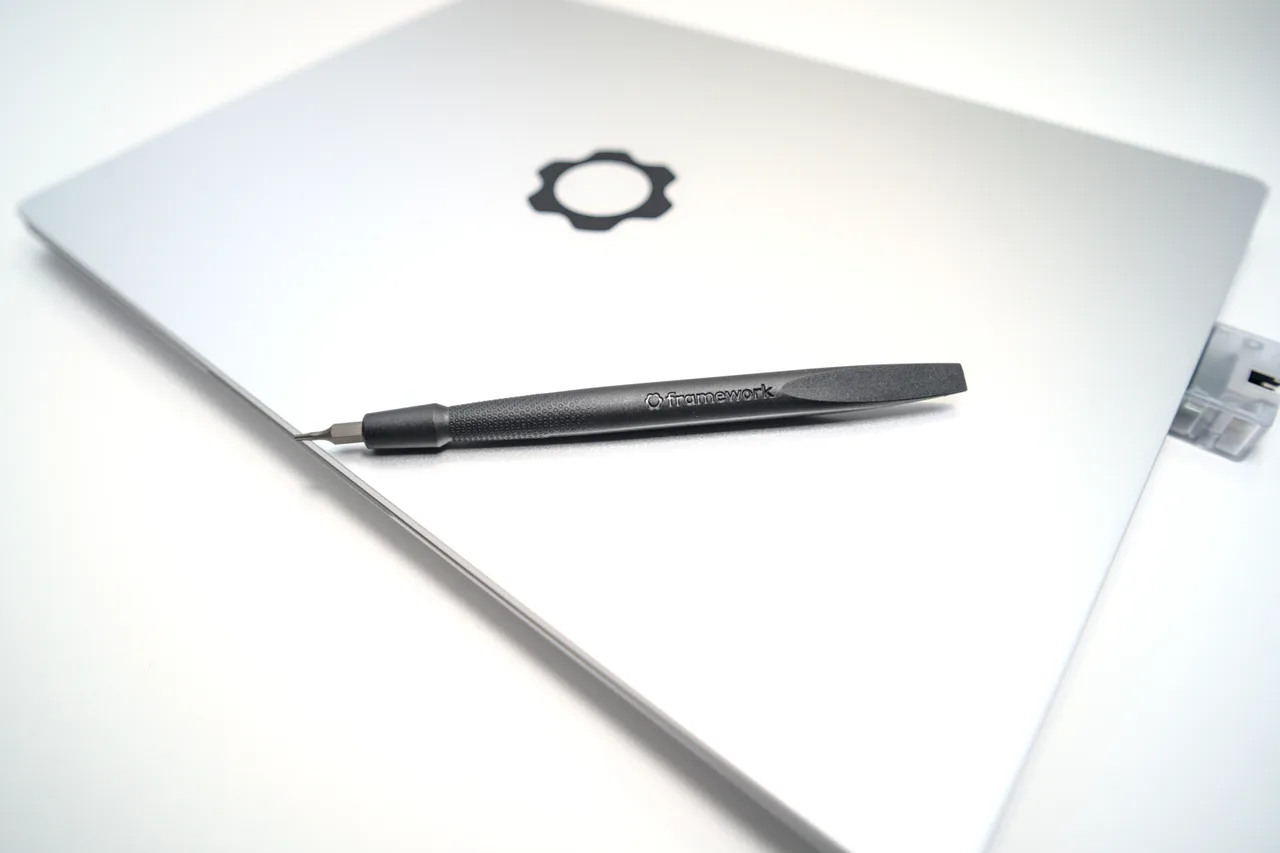
- FrameworkLaptop 16 (AMD Ryzen AI 300)2025The most repairable Linux laptop you can buy, and Strix Point is fully mainline, Fedora boots clean and you can swap the GPU module later.10Linux readiness · high Buy at Framework
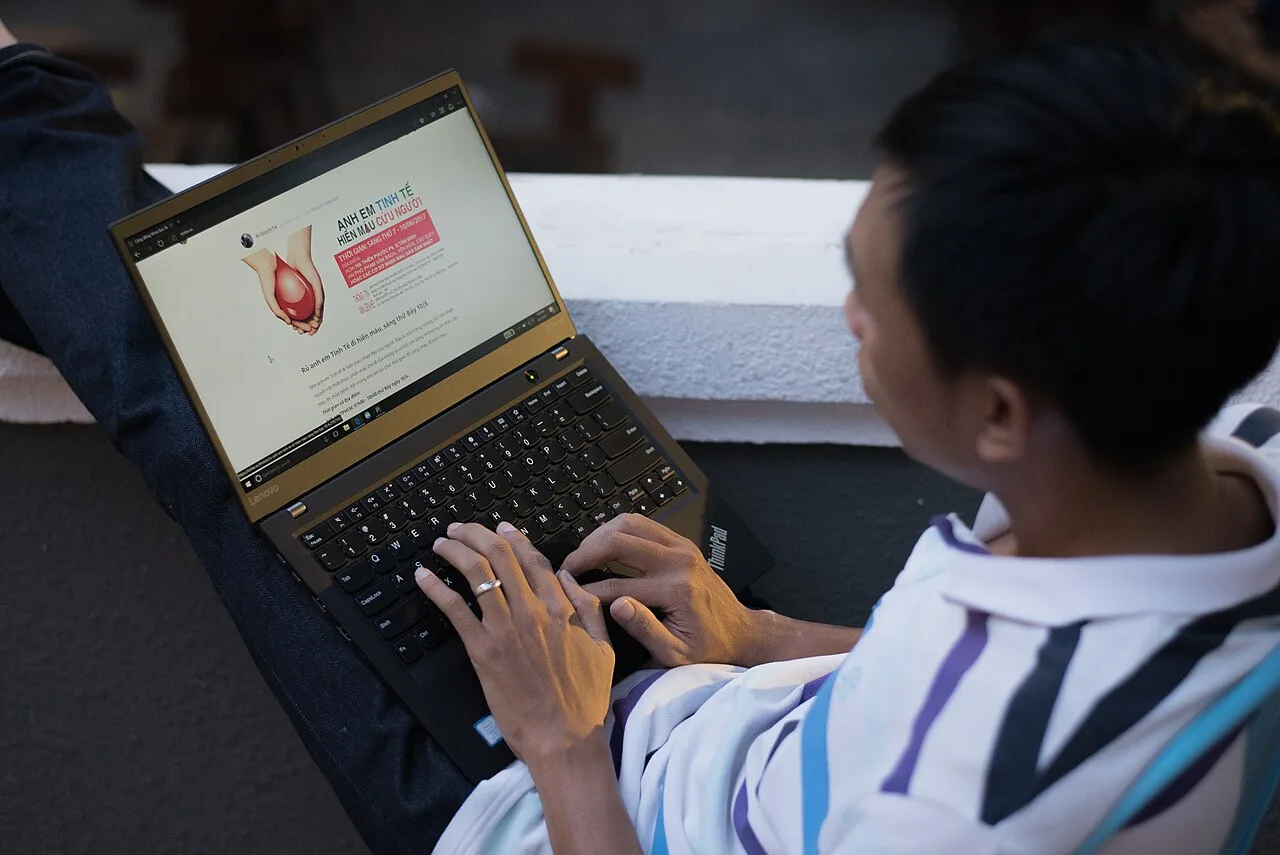
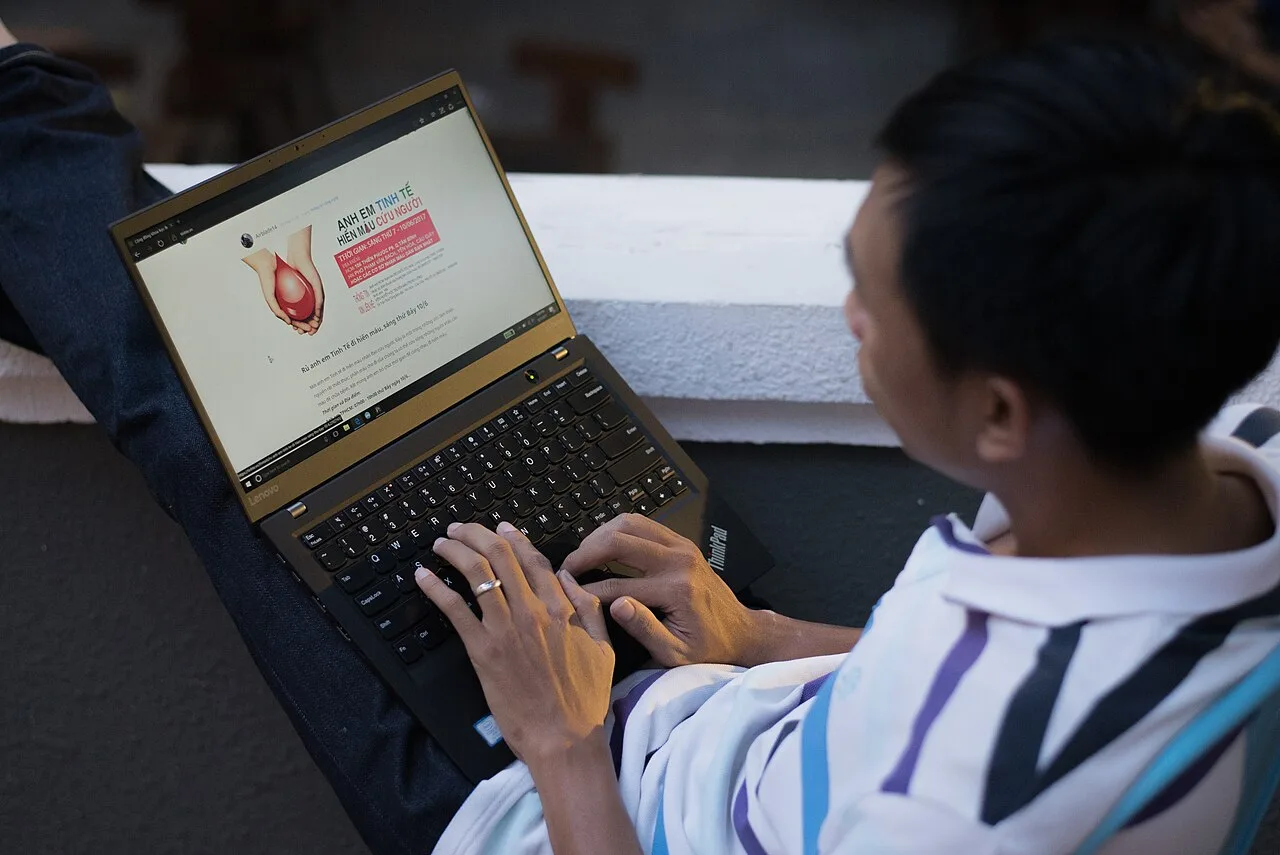
- LenovoThinkPad X1 Carbon Gen 12 (2024)2024The mainstream business pick: Ubuntu-certified, ArchWiki rates it out-of-box on kernel 6.8, and it is the one machine here your IT department already buys.10Linux readiness · high Check price on Amazon
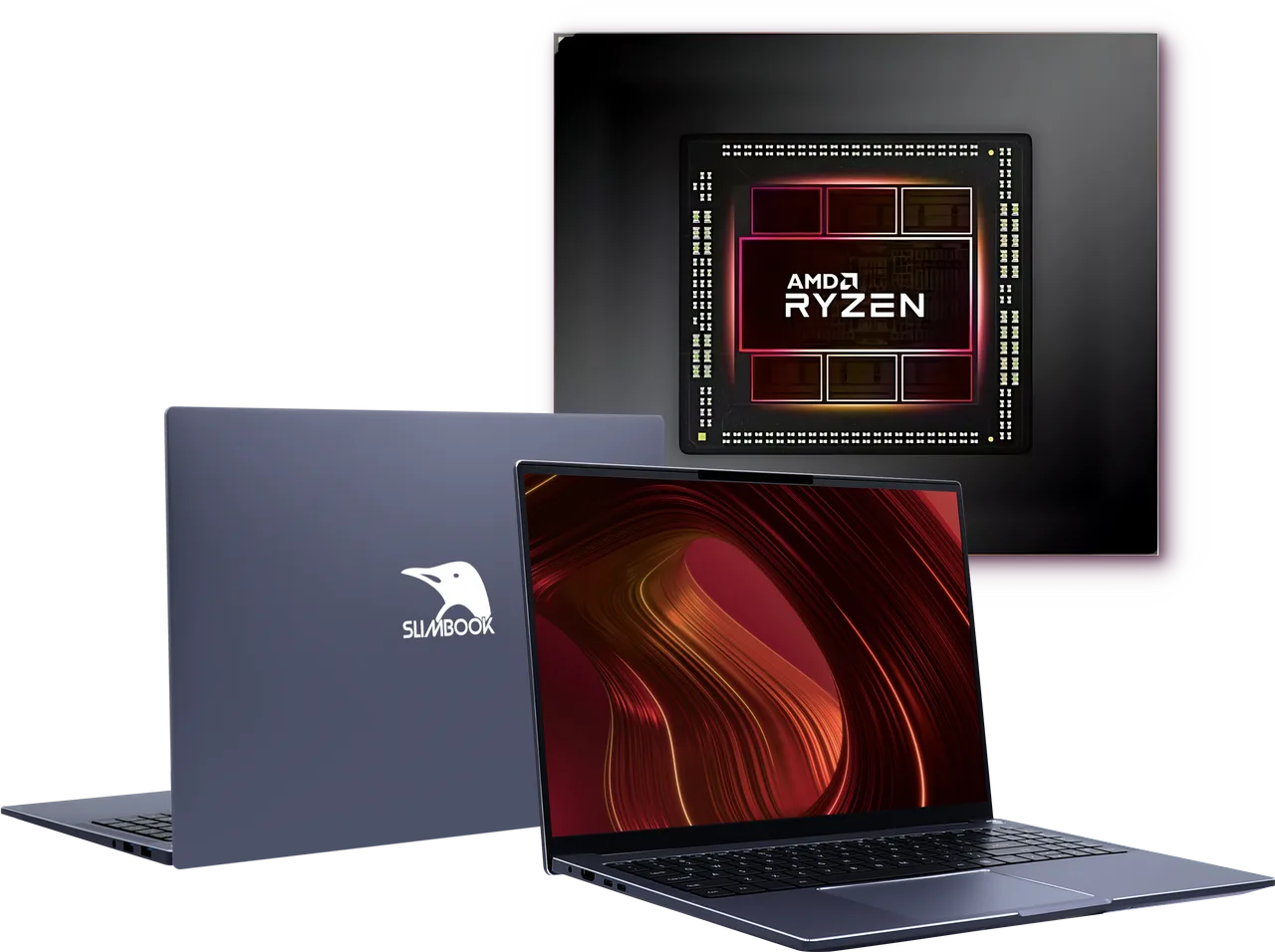
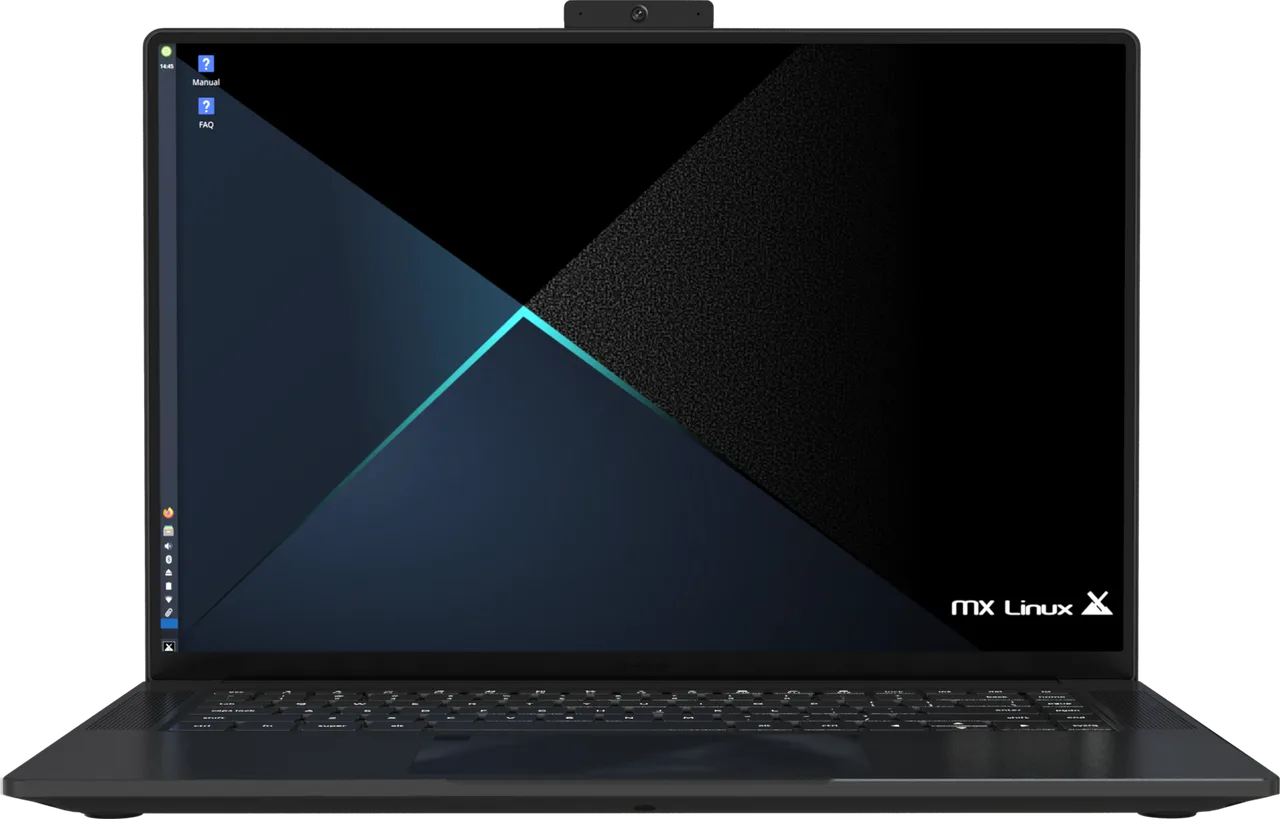
- SlimbookExcalibur 16 (Ryzen AI 9 365)2025EU-direct, all-AMD, VAT in the price, slotted RAM to 128 GB and a clean amdgpu story. The 67 Wh battery in a 1.86 kg frame is the honest trade.10Linux readiness · high Buy at Slimbook
- System76Darter Pro (darp11)2025Open firmware, slotted RAM and a replaceable battery, with a flawless Pop!_OS story out of the box. Build feel and an 8-hour battery are the compromise.10Linux readiness · high Buy at System76
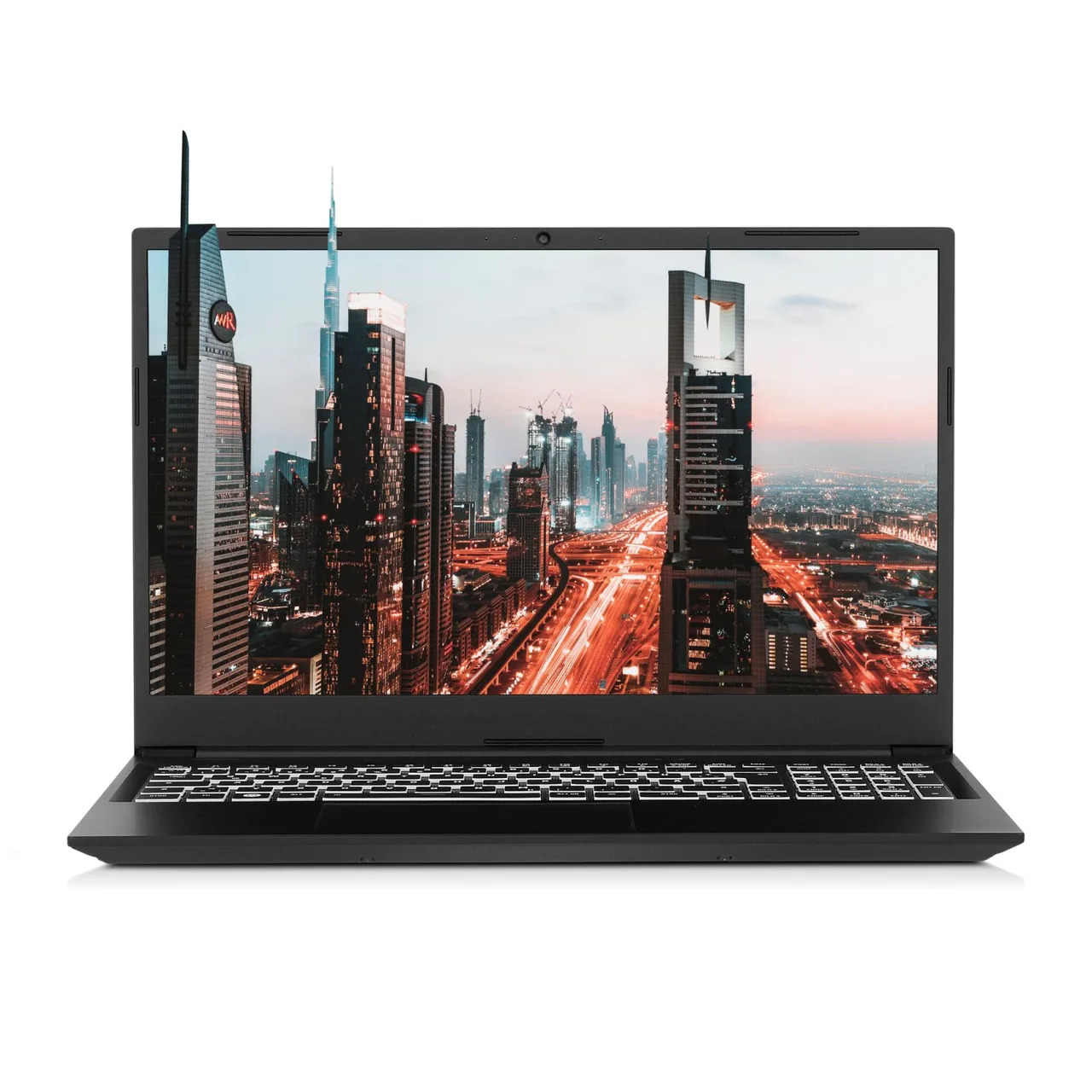
- TuxedoAura 15 Gen3 (AMD Ryzen 7 7730U)2024The cheap EU-direct daily under 900 euro: Zen 3 plus Vega is fully mainline and the 91 Wh battery does about nine hours. The 250-nit panel is the corner cut.10Linux readiness · high Buy at Tuxedo
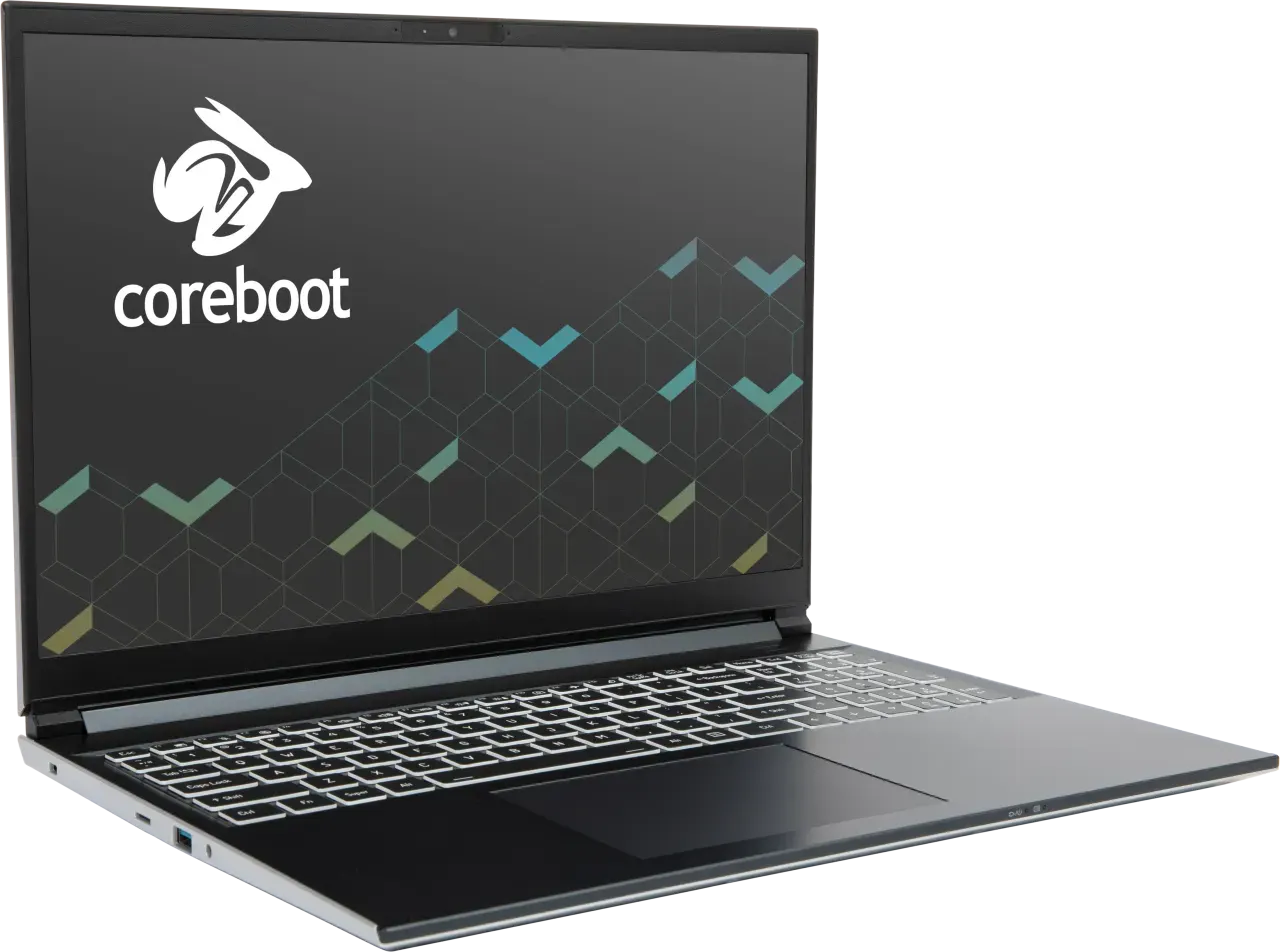
- Star LabsStarFighter 16 (Intel Ultra 9 285H)2025Coreboot firmware, no Windows tax and a 4K 120 Hz matte panel. Soldered RAM and a high price are the cost of an open, Linux-only 16-inch.10Linux readiness · high Buy at Star Labs
- LenovoLegion Go S (8APU1, SteamOS, 2025)2025Linux gaming out of the box: SteamOS preinstalled, and it out-performs the Windows variant on identical silicon. A handheld, so real laptop work on it is awkward.10Linux readiness · medium Check price on Amazon
- LenovoThinkPad X1 Carbon Gen 11 (2023)2023The refurb-value play: a Raptor Lake Carbon with full Ubuntu certification now sliding under a thousand dollars second-hand.10Linux readiness · high Check price on Amazon
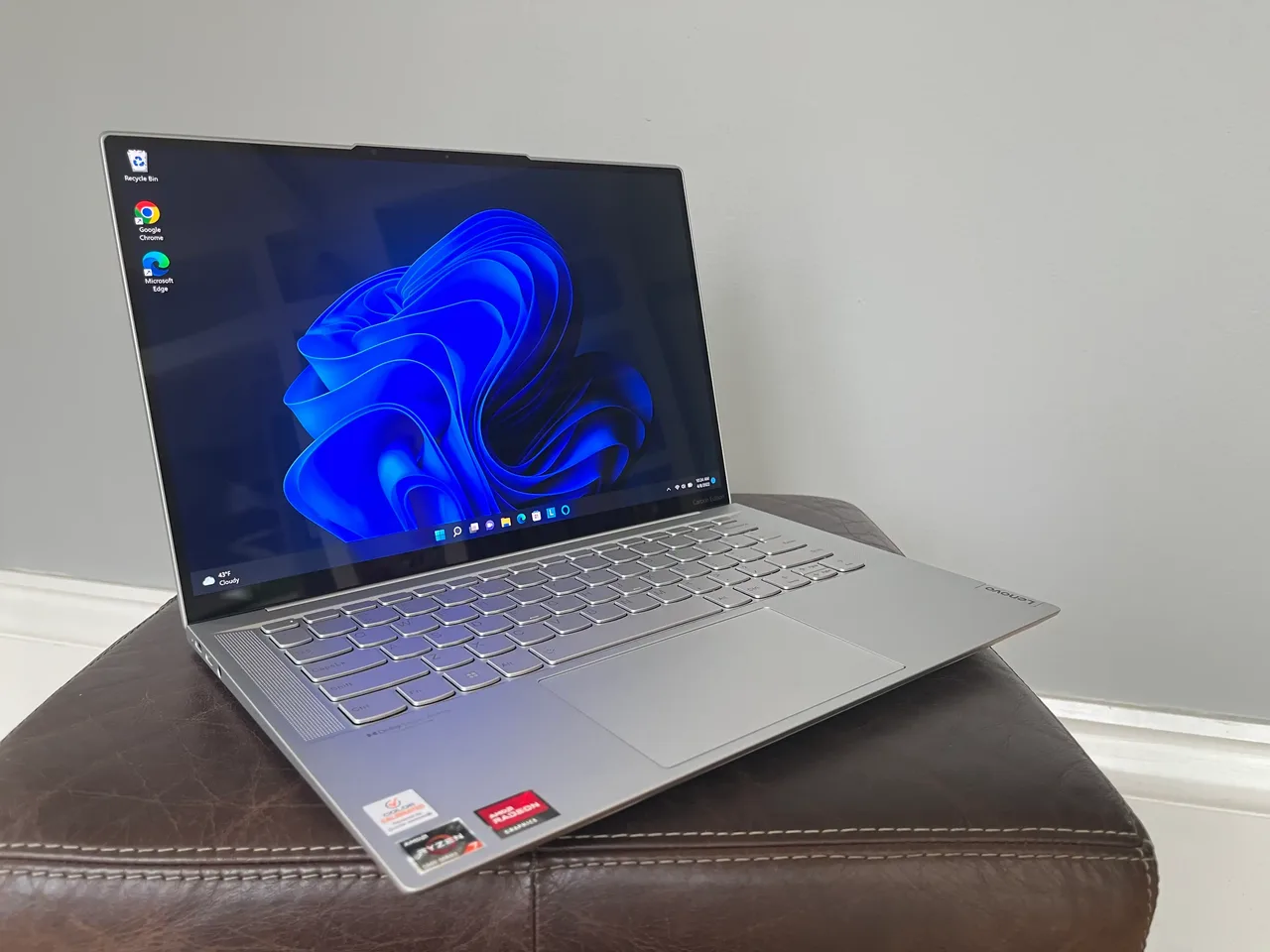
- LenovoIdeaPad Slim 5 14 (Gen 9, AMD)2024Proof that a mainstream sub-$700 consumer laptop can be a great Linux machine, all-AMD, fully mainline, no vendor premium.9.9Linux readiness · high Check price on Amazon
- PurismLibrem 14 (v1, Comet Lake)2021The privacy niche done right: coreboot, PureBoot and physical kill switches for camera, mic and radios. The catch is old Comet Lake silicon for the money.10Linux readiness · high Buy at Purism

Want every model instead of the curated ten? The full database sorts and filters by Linux Readiness in the laptop explorer, and the compatibility matrix breaks the score back down per distro, per component, for all 308 models.
"Check price" / "Buy at" links are affiliate links; we may earn a commission at no extra cost to you. This list is ranked by Linux readiness, never by payment. How we make money.
The EU-and-friends Linux vendor corner
Half the picks above come from companies that sell Linux as the product, not the afterthought. They are worth understanding as a category, because what you are paying for is support and firmware, not just hardware:
- Tuxedo & Slimbook (DE/ES) , ship from inside the EU with VAT in the price and no customs surprise, run their own tuned distro or Ubuntu, and answer support tickets about Linux specifically. The trade is mainstream chassis quality and, on some models, loud fans or a so-so panel.
- Framework , the repairability play: every part is a module you can buy and swap, and Ubuntu LTS runs with almost no fuss. The honest catch is real s2idle suspend drain on the AMD models.
- System76 (US), the firmware is the point: Open Firmware and Pop!_OS built in-house. EU buyers add import VAT and the batteries tend to be the weak spot.
- Star Labs (UK), coreboot at a fair price with your choice of distro preinstalled. Post-Brexit duty is the EU-buyer catch.
The point of buying from one of these over a mainstream Lenovo or Dell is not raw specs, it is that the company will not ship a BIOS update that breaks suspend and shrug. The point of buying mainstream anyway is price, panel quality, service network and resale. Full vendor comparison →
Which distro changes which laptop to buy
Linux hardware support is mostly a kernel-version question, so the distro you run shifts the answer more than people expect:
- Newest hardware (2024–2025 silicon)? Favour a recent kernel: Fedora, Arch, or Pop!_OS. On Ubuntu LTS the same machine may need the HWE stack or a backported kernel first.
- Intel laptop? Check the webcam. The IPU6/IPU7 MIPI cameras are the single most common "works on Fedora, broken on LTS" trap. All-AMD machines dodge it entirely.
- Debian stable? It ships an old kernel by design, so a 2025 laptop that is "out-of-box" elsewhere can be "minor-tweaks" here until you pull backports. Buy older, well-trodden silicon.
- NVIDIA in the machine? The proprietary driver caps our confidence at medium no matter how good the report is, because the stack moves under your feet. All-AMD or Intel iGPU is the quiet life.
How the Linux Readiness Score works
Every score on this site is one number, 0–10, derived from hand-verified per-distro install reports, never a vibe, never an invented value. It weighs the six things that actually decide whether Linux is pleasant: suspend/resume (the heaviest), WiFi, audio, webcam, Bluetooth and the fingerprint reader. A separate confidence flag (high / medium / low) tells you how much we actually know, kept strictly out of the score itself.
"Unknown" means nobody we trust has filed a current report, we do not fill the gap with a guess. Across the whole database that breaks down as 81 out-of-the-box, 110 after minor setup, 65 problematic and 52 still unverified. The full methodology →
Power user? The Linux compatibility matrix is the deep reference: all 308 models, per distro, with the score broken back down into WiFi, Bluetooth, fingerprint, webcam, audio and suspend, filterable and sortable.
By distro
Pick the distro you already know. Each page lists the models with a verified report on that distro, plus what tends to go wrong on it and how we judge readiness.
- Best laptops for Arch Linux in 2026Arch gives you the newest kernel and zero hand-holding. The laptops with strong ArchWiki coverage, the NVIDIA reality, and what to skip.
- Best laptops for Debian 12 in 2026Debian stable runs an old kernel by design. Which laptops survive that, when to use backports, and the hardware to skip on Bookworm.
- Best laptops for Fedora in 2026Fedora ships a recent kernel, so new hardware fares better here than on LTS. The models that work, the IPU6/IPU7 webcam catch, and what to skip.
- Best laptops for Linux Mint in 2026Linux Mint is built on Ubuntu, so its hardware behaviour is inferred from Ubuntu LTS, not separately tested. What that means honestly, the models that fit, and what to skip.
- Best laptops for NixOS in 2026NixOS rebuilds the whole machine declaratively. The laptops with good hardware modules, the firmware caveat, and what to skip.
- Best laptops for openSUSE in 2026openSUSE is two distros: rolling Tumbleweed near Arch's kernel currency, and stable Leap near LTS. Which laptops work on each, the NVIDIA and Secure Boot notes, and what to skip.
- Best laptops for Pop!_OS in 2026Pop!_OS is built by System76, so their own hardware is the obvious pick. The models that work, the COSMIC question, and what to skip.
- Best laptops for Ubuntu 24.04 LTS in 2026Which laptops actually run Ubuntu 24.04 LTS without fighting the kernel: AMD over Intel IPU7, real model picks, and the ones to skip.
By Linux-first vendor
Vendors that build, sell and support laptops with Linux as the primary OS. Editorial profiles of what they actually deliver, not what their store pages say.
- Framework for Linux: repairable, but the suspend drain is realFramework sells the most repairable Linux laptop you can buy. It runs Ubuntu LTS with almost no fuss. The honest catch: the AMD 13 drains 5 to 10 percent overnight on Linux s2idle.
- MALIBAL for Linux: niche, opinionated, and not tracked here yetMALIBAL is a small US Linux-laptop vendor with a strong privacy and Coreboot stance. An honest editorial profile: no affiliate relationship, no hands-on test, what we can and cannot say.
- PINE64 for Linux: an ARM hobby project, not a daily driverPINE64 sells the Pinebook Pro, an Arm hacking laptop with privacy switches and mainline Linux. It is cheap and open, and it is slow with weak suspend. Buy it as a project, not a work machine.
- Slimbook for Linux: KDE's hardware partner, with one nasty bugSlimbook is the Spanish EU vendor behind the KDE Slimbook. Good Linux support and in-EU shipping, but the Executive has a documented plugged-in suspend bug worth knowing before you buy.
- Star Labs for Linux: coreboot at a fair price, with a Brexit catchStar Labs ships coreboot firmware and your choice of distro preinstalled. Strong Linux story, but it is a UK vendor so EU buyers pay post-Brexit duty, and no fingerprint by design.
- System76 for Linux: the firmware is the pointWhat System76 actually ships, why the Open Firmware matters, and the catches the store page skips: US shipping, import VAT, the Pangolin battery, and no fingerprint reader.
- Tuxedo Computers for Linux: the EU pick, with a fan caveatTuxedo ships from inside the EU with VAT in the price, runs TUXEDO OS or Ubuntu, and has its own control software. The catches: WiFi 6 not 7, loud fans at load, and no fingerprint by design.